
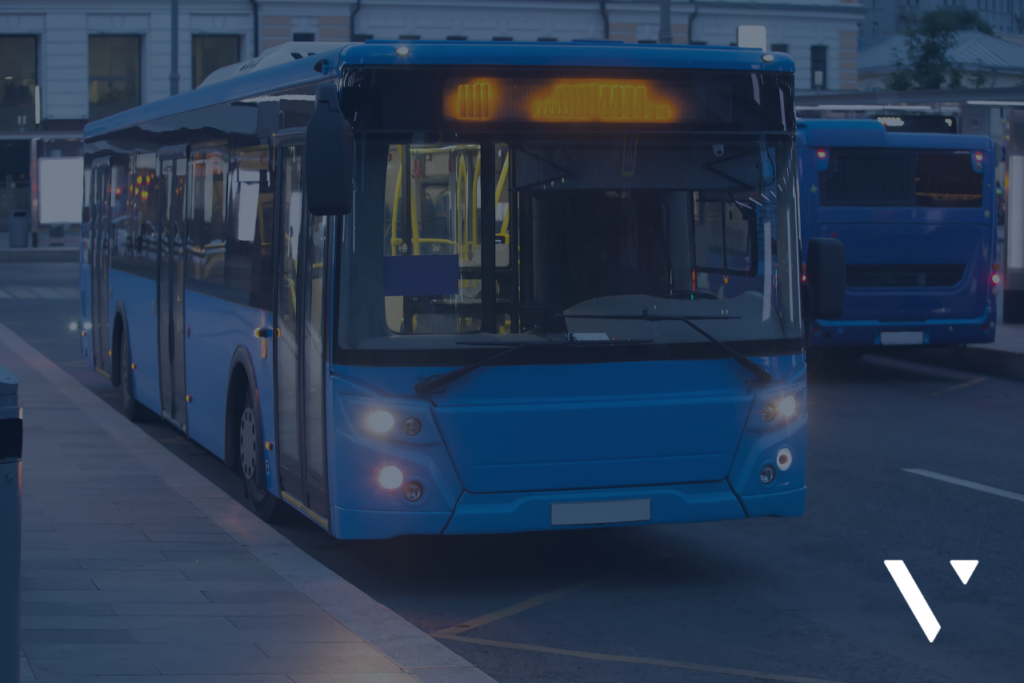
Peter Keegan, Director of Transport, shares his perspective on the next phase of bus franchising.
The bus market itself has changed. Hybrid working has reduced commuter peaks, while discretionary travel – retail, leisure, health – has become more important. This requires a rethink of network design, moving away from radial, peak-driven services toward more flexible, all-day connectivity.
Franchising enables this shift, but does not guarantee it. Authorities must be bold enough to redesign networks around emerging travel patterns, rather than simply preserving legacy routes. Growth will come not from restoring the past, but from attracting new users through simplicity, reliability, and relevance.
The Operator Question
Franchising reshapes the role of operators – from market-driven decision-makers to contracted service providers. This creates opportunities for standardisation and performance management, but also raises questions about market health.
A smaller number of larger contracts can concentrate risk and potentially limit competition. At the same time, ensuring space for SMEs and fostering innovation within a more controlled system requires deliberate contract design. The future model must balance efficiency with diversity, and discipline with partnership.
Decarbonisation Without Decline
The UK’s net zero ambitions place buses at the centre of the transition to sustainable transport. Yet the shift to zero-emission fleets introduces significant capital and operational pressures. Infrastructure, grid capacity, and vehicle costs all require long-term investment.
The leadership challenge is to ensure that decarbonisation enhances, rather than constrains, the network. A green bus system that is less frequent or less accessible will struggle to deliver mode shift. Franchising provides the framework to align environmental and service goals – but only if funding and planning are integrated.
Managing Expectations in a Political Cycle
Franchising is a long-term reform operating within short-term political cycles. Public expectations for visible improvements are high, yet the benefits – ridership growth, behavioural change, network optimisation – take time to materialise.
This creates a critical leadership task: setting realistic expectations while maintaining momentum. Transparent performance metrics, clear narratives of progress, and early “quick wins” (such as fare simplification or branding) will be essential to sustaining public confidence.
Beyond the Model: A System Mindset
Ultimately, the future of UK buses will not be defined by franchising alone, but by the system thinking that surrounds it. Integration with rail, active travel, housing, and economic development is where the real value lies. Buses must be positioned not as a residual mode, but as the backbone of place-based transport strategies.
Franchising makes this possible – but does not make it inevitable.
The Strategic Imperative
The UK now has a window of opportunity. With multiple city regions moving toward franchising, there is the potential to reset the role of buses in national life: from fragmented safety net to integrated, high-quality public service.
Realising this vision will require three things:
- Stable, long-term funding aligned to outcomes
- Strong institutional capability at the local level
- A relentless focus on the passenger experience
Franchising is not the end of reform – it is the beginning of responsibility. The next phase will determine whether the UK simply changes how buses are governed, or fundamentally transforms how they are used.
To discuss your leadership requirements, contact peter.keegan@veredus.co.uk